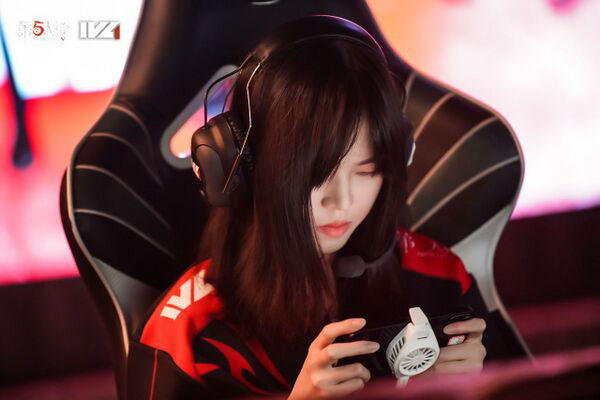
In a tightly contested match of Identity V, every decision carries weight as pressure peaks. But for Persica, the stakes extend beyond the game itself. When she executes a precise rotation that turns the match in her team’s favor, the reaction is immediate. Praise floods in, but so does scrutiny.
In competitive esports, skill is supposed to speak for itself. Yet for women, like Persica, every play is often evaluated through a different lens.
Who is Persica?
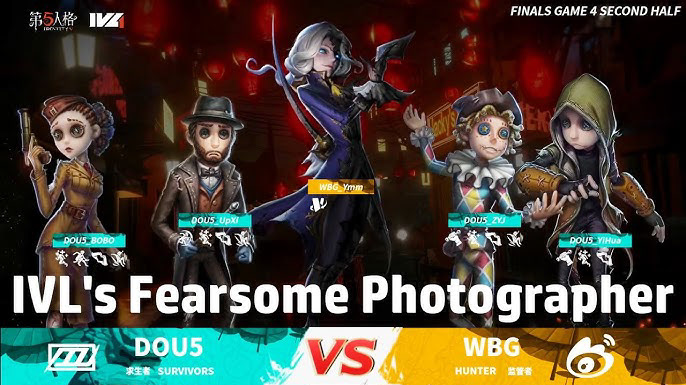
Persica is known as a competitive player representing Weibo Gaming in Identity V, a 1v4 asymmetrical game developed by Tencent NetEase. Within its fast paced games, Persica has built a reputation for consistency and composure under pressure – a trait that defines elite competitors. In 2024, she was named “Rookie of the Season,” signaling her rapid emergence in professional play.
In a competitive ecosystem where male players dominate, Persica stands out, as a competitor determined to be taken seriously. Her growing reputation is reflected in her awards, including “Most Popular Survivor of the Year” at Call of the Abyss VIII.
The Gender Gap in Esports
While gaming itself has become increasingly inclusive, competitive scenes seem to lag behind. Titles like League of Legends and Valorant have faced ongoing conversations about gender representation, with women frequently underrepresented.
In Identity V, the situation is no different. Despite having a large and diverse player base, the competitive tier remains heavily male-dominated. Barriers range from cultural stereotypes to lack of institutional support, as well as community environments that can be unwelcoming or openly hostile. This is what makes every visible female player, not just Persica, a symbol of progress and pressure.
“Persica is the only female esports player in the scene right now…”
—Reddit user discussion
Playing Under the Spotlight
For Persica, competing at a high level means navigating two parallel challenges: mastering the game and managing perception. Moments of success often come with qualifiers. A strong performance could be seen as surprising, and a mistake would risk reinforcing biased assumptions. Community discussions can shift quickly from gameplay analysis to personal judgement. Many describe the experience as “playing twice:” once against opponents, and once against expectations.
Yet Persica’s continued presence in competitive play suggests resilience. Rather than stepping back, she continues to participate, compete, and improve, pushing against the boundaries that define who belongs in esports.
Community and Representation
On one hand, players like Persica inspire a new generation of competitors who see themselves reflected in the scene. On the other, visibility invites criticism that male players are less likely to face.
But still, representation matters. As esports continues to globalize, big teams such as Weibo Gaming operate in an environment where fan engagement is intense. Every match is closely watched, analyzed, and discussed in real time. For fans, especially women, seeing someone like Persica compete at a high level carries significance beyond the scoreboard. It challenges assumptions about who can succeed in competitive gaming and opens the door for broader participation.
Persica’s story isn’t just about one person. Esports is still growing and defining itself, it’s still deciding who gets to belong and who gets left on the margins. In that sense, every match Persica plays carries weight beyond the result. Each appearance chips away the idea that competitive gaming is reserved for one single type of player.
Change in esports, just like anything else, does not happen all at once. It happens through presence and persistence. Players like Persica are a part of that process, and their participation makes these issues impossible to ignore.